
What Haute Couture Represents
Twice a year, fashion reaches its most exclusive and extraordinary moment: Haute Couture. Presented in Paris, these collections represent the highest level of craftsmanship, creativity, and investment within the industry.What Is Haute Couture?
To understand haute couture, it helps to begin with the meaning of the term itself. “Haute couture” translates from French as high dressmaking—a practice centered on creating exclusive, custom-fitted garments. At its core, haute couture refers to clothing that is constructed entirely by hand, from start to finish.

Each piece is made using the highest quality materials, sewn with exceptional precision, and finished by highly skilled artisans with years of experience. The process demands time, expertise, and an uncompromising attention to detail. In this sense, haute couture represents the highest expression of fashion—where craftsmanship, creativity, and technique meet at their most refined level.
Who Founded Haute Couture?
Charles Frederick Worth (1825–1895) is widely regarded as the first modern fashion designer and the founder of haute couture. In 1858, he established the first true couture house, the House of Worth, at 7 rue de la Paix in Paris. This moment is considered the beginning of the haute couture industry, setting the standards for craftsmanship, authorship, and the fashion system that continues to shape the industry today.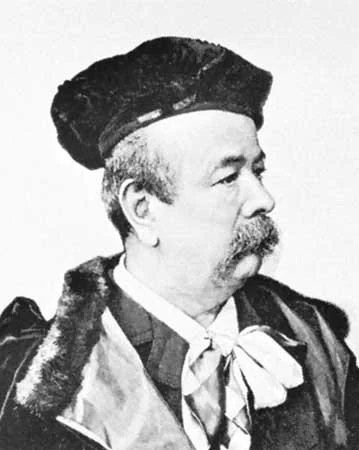
Source: Wikipedia
The couturier was also the first to recognize the value of organizing his work around a single, cohesive collection. He introduced salon shows dedicated entirely to one collection at a time, presenting a series of garments designed to exist together under a unified vision.

These salon presentations were not created purely for artistic display. Their primary purpose was practical: to introduce new designs, attract clients, and secure commissions. By inviting customers directly into his atelier, Charles Frederick Worth established a new way of engaging with fashion—one that transformed the designer’s workspace into a destination and laid the foundation for how collections are presented and sold today.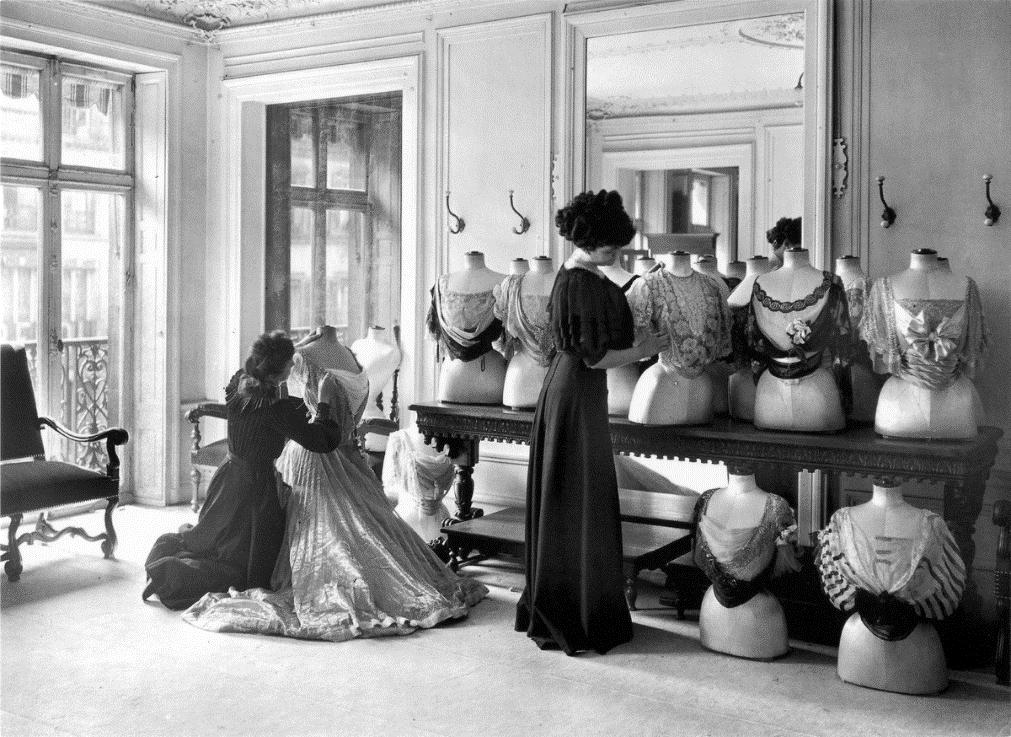
Source: Runway Magazine
Presenting his designs live on models at the House of Worth was a revolutionary moment in fashion. Clients were invited to view the garments in motion, select their preferred designs, and have each piece tailored precisely to their measurements. This made-to-order approach remains central to couture today, where garments are still created individually within couture salons.Clients are able to make highly specific choices—such as selecting the weight of yarns or materials based on climate and lifestyle. This level of personalization is something ready-to-wear can never offer, where garments are produced in standard sizes and purchased directly from stores.Later, Charles Frederick Worth introduced another defining idea: presenting collections twice a year. By organizing these moments when clients could gather in the same city to view new designs, he established the rhythm that would later become fashion week. In many ways, Worth shaped the structure of the modern fashion industry—defining how designers present, develop, and build collections, a system that continues to guide fashion today.Why Does It Take Place In Paris?
Following the couture revolution led by Charles Frederick Worth in Paris, the 20th century marked the rise of the great luxury fashion houses that would define modern fashion. Names such as Dior, Chanel, Balenciaga, Schiaparelli, Saint Laurent, and Givenchy emerged in Paris, shaping the foundations of couture as we understand it today. These maisons carried forward Worth’s vision—establishing fashion shows, seasonal collections, and the structural system that continues to guide the industry. This legacy is why haute couture remains inseparable from Paris, its birthplace and enduring center.

While these historic couture houses still exist under contemporary creative leadership, custom-made garments are no longer their primary source of revenue. Today, haute couture serves as a powerful expression of craftsmanship, identity, and prestige—elevating the brand’s image and cultural value. The commercial strength of modern luxury houses now lies largely in ready-to-wear collections, accessories, leather goods, fragrances, and global licensing, which generate the majority of their financial returns.
Haute Couture Requirements
As we’ve seen, the term “Haute Couture” is legally protected. Only a small group of fashion houses are allowed to use it, and they must follow strict regulations set by La Fédération de la Haute Couture et de la Mode. In other words, becoming a haute couture house isn’t a personal decision—it’s a formal recognition. Talent, beautiful fabrics, or stunning dresses alone are not enough.So what does it actually take to be part of this elite circle?To qualify, a fashion house must operate an atelier in Paris, employing at least 15 full-time staff and 20 skilled technical artisans. The house must create custom-made garments for private clients, with one or more fittings for each piece. Every season, the maison is required to present a minimum of 50 original designs, including both daywear and evening looks, during the official haute couture shows in January and July.Each season, select fashion houses may be invited as guest members. A house becomes eligible for permanent membership after receiving an invitation four consecutive times, signaling consistency, craftsmanship, and commitment to couture standards.Once approved, haute couture houses gain access to strategic and institutional support—ranging from communication and marketing to economic, technological, cultural, and even political opportunities—strengthening their position within the global fashion landscape.How Are Haute Couture Clothes Made?
Haute couture garments are crafted entirely by hand by some of the most skilled artisans in the fashion industry. Their work extends far beyond sewing, involving precise measurements, the development of new designs, careful adjustments, repairs, and continuous refinement until each piece reaches its final form.

Every couture garment is custom-made for an individual client, created specifically to their measurements. Unlike ready-to-wear, couture is never mass-produced and does not exist in standard sizes or retail environments.

Each piece requires months of dedicated work. Some designs demand exceptional time and resources—one Giambattista Valli couture gown, for example, can take around 240 hours and nearly 6,000 meters of fabric to complete. Other notable examples include Chanel’s Spring/Summer 2018 feathered dress, which required 750 hours of craftsmanship, and Dior’s “Miss Dior” gown from 2021, completed in approximately 800 hours. These extended processes reflect the rarity and value of haute couture.

At its highest level, haute couture represents the finest quality fashion can offer. While these creations come at significant cost, price is rarely the primary consideration. Certain couture pieces are valued at over $100,000, reflecting the time, expertise, and craftsmanship invested in each garment.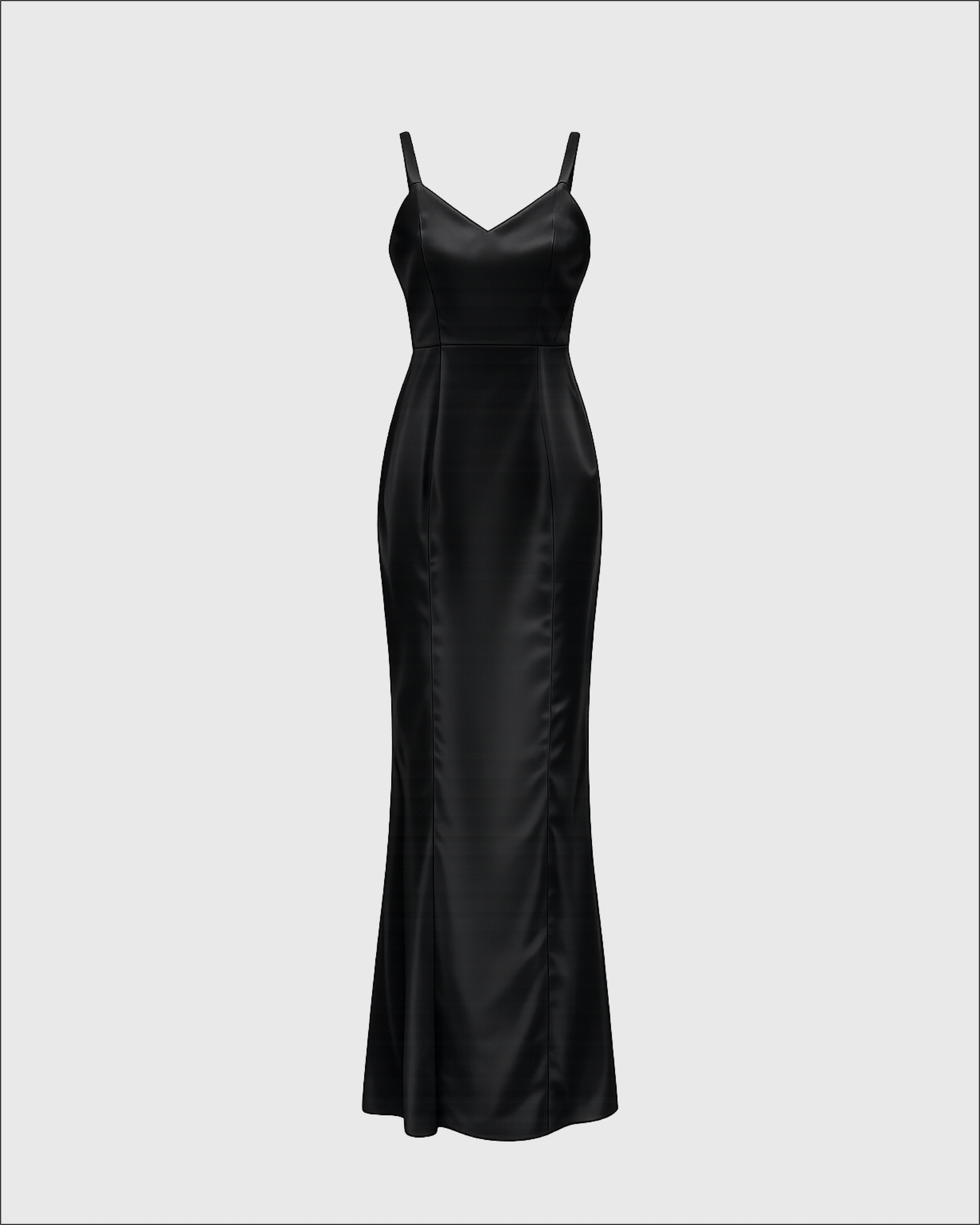
TRAIWAS COUTURE
Haute Couture Calendar
Haute Couture fashion shows are staged twice a year: typically at the end of January for the spring-summer season, and in early July for the fall-winter season.